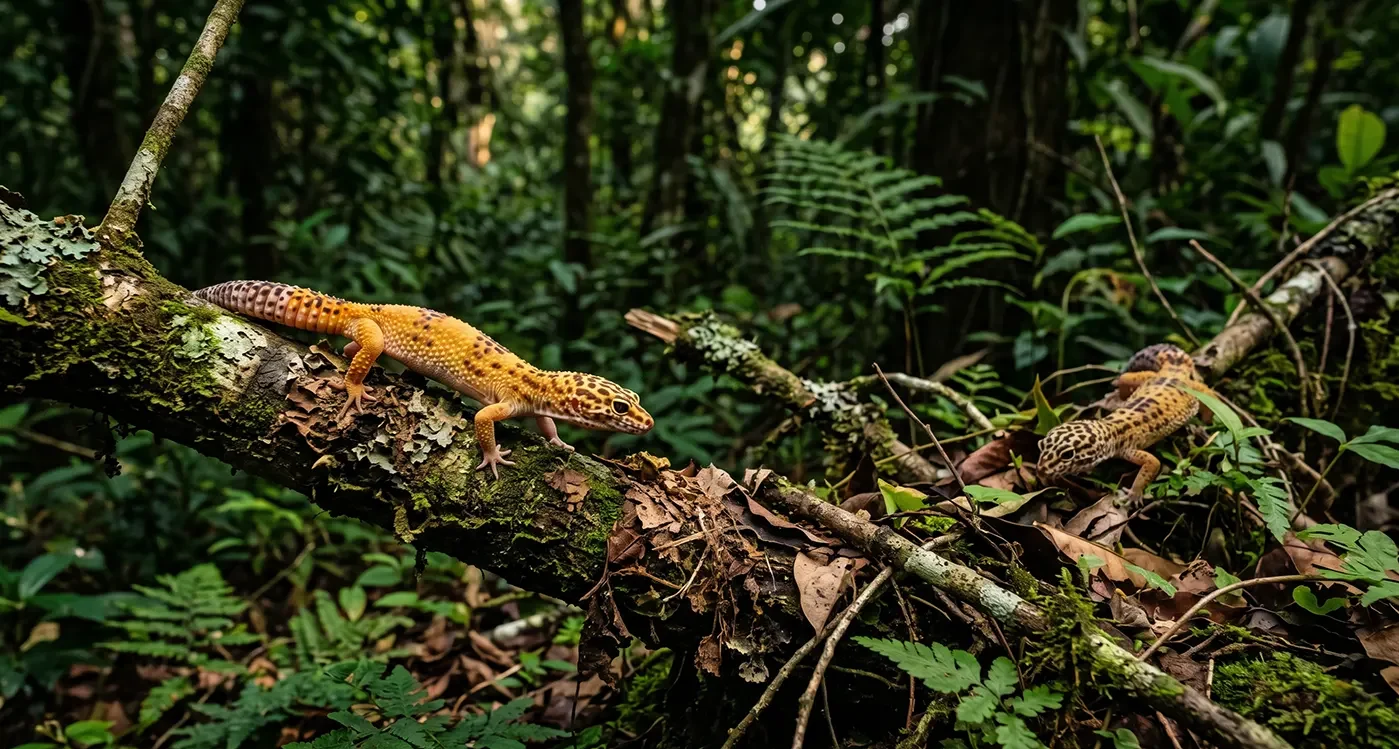

Sugar gliders (Petaurus breviceps) are undeniably captivating. These small, nocturnal marsupials from Australia and Indonesia have large, soulful eyes, a soft coat, and a “patagium”—the membrane that allows them to glide through the air. However, before you fall in love with the idea of a pocket-sized companion that glides into your hand, you must navigate a complex, often confusing web of legislation.
In the United States, sugar gliders are classified as “exotic animals.” Unlike dogs or cats, their legal status is not uniform across the country. Depending on which side of a state border you reside, owning a sugar glider can range from perfectly legal to a criminal offense.
This guide breaks down the legal landscape to ensure your leap into exotic pet ownership is on the right side of the law.
Why Are Sugar Gliders Regulated?
Before diving into the “where,” it is important to understand the “why.” States generally restrict exotic animals for three reasons:
- Public Safety: While sugar gliders aren’t “dangerous” in the traditional sense, they can carry zoonotic diseases.
- Environmental Protection: In warmer climates like California or Hawaii, escaped sugar gliders could potentially establish invasive colonies, threatening local bird populations and ecosystems.
- Animal Welfare: Sugar gliders are highly social, colony-dwelling animals. Legislators often worry that casual owners cannot meet their complex social, dietary, and space requirements.
The “Illegal” States: No Exceptions
In these states, sugar gliders are strictly prohibited as pets. Owning one can lead to the seizure of the animal and significant fines for the owner.
- California: California has some of the strictest exotic animal laws in the country. The California Department of Fish and Wildlife classifies sugar gliders as a threat to native wildlife.
- Hawaii: As an island ecosystem, Hawaii is extremely protective of its biodiversity. Bringing a sugar glider onto the islands is a serious offense.
- Alaska: The harsh climate and specific environmental regulations make sugar gliders illegal here as well.
- Pennsylvania: Interestingly, Pennsylvania classifies sugar gliders as “exotic wildlife,” and they are generally prohibited for private citizens without a difficult-to-obtain permit usually reserved for exhibitors.
The “Permit Required” States: The Middle Ground
In these states, you can legally own a sugar glider, but only after jumping through bureaucratic hoops. These laws often change, so always check with your local Department of Agriculture or Fish and Wildlife.
- New Jersey: Requires a “Nongame Species” permit.
- New Mexico: Requires a permit for most exotic species.
- Georgia: Ownership is generally restricted to those with a permit, and there are specific requirements regarding where you purchase the animal.
Note for New York Residents: While sugar gliders are legal in most of New York State, they are strictly illegal in the five boroughs of New York City. Always check municipal codes in addition to state laws.
The “Legal” States: Proceed with Caution
In the majority of U.S. states (such as Texas, Florida, Ohio, and Illinois), sugar gliders are legal to own without a state-level permit. However, “legal” does not mean “unregulated.”
The USDA Factor
While you might not need a permit to own a sugar glider, the person you buy it from must be USDA-licensed if they have more than a few breeding females. Buying from an “underground” or “backyard” breeder is not only risky for the animal’s health but can lead to legal complications if you ever need to prove the animal’s origin.
Summary Table: Quick Legality Reference
| Status | Notable States | Action Required |
| Strictly Illegal | CA, HI, AK, PA | Do not attempt to own. |
| Permit Required | NJ, NM, GA | Apply for permit before purchase. |
| Generally Legal | TX, FL, OH, IL, MI | Check local city/county ordinances. |
| City-Specific Bans | New York City, St. Paul | Move outside city limits. |
Beyond State Lines: Local Ordinances
A common mistake potential owners make is checking state law but ignoring local city or county ordinances. Even if a state allows sugar gliders, a specific city council may have passed a ban on “wild or exotic animals” within city limits.
Before purchasing:
- Call your local Animal Control office.
- Ask specifically: “Are sugar gliders (Petaurus breviceps) legal to keep as pets within city limits?”
- Request the answer in writing or find the specific ordinance number for your records.
The Ethical Legalities: Traveling with Your Glider
If you live in a legal state but decide to take a road trip, you are entering a legal minefield. Crossing into California with a sugar glider in your car—even if you are just passing through—is technically a violation of state law.
If you plan to move residences, your first task should be verifying the legality of your pet in your new zip code. Many owners have been forced to rehome their beloved pets because they moved for a job without checking local exotic animal statutes.
Do Your Homework
Owning a sugar glider is a 12-to-15-year commitment. The last thing you want is for that commitment to be cut short by a knock on the door from a wildlife official.
Legality is the “foundation” of responsible exotic pet ownership. Once you have cleared the legal hurdles, you can focus on the rewarding (though exhausting) task of bonding with these incredible “pocket pets.”